
Dealing with coffee and red wine stains that toothpaste alone won't touch? Dentist Open Now connects you with a specialist in Little Rock, AR who treats this specific issue every week, not occasionally.

Call the number below and a scheduling coordinator finds you the next available specialist.
+1-866-227-2801 Call Now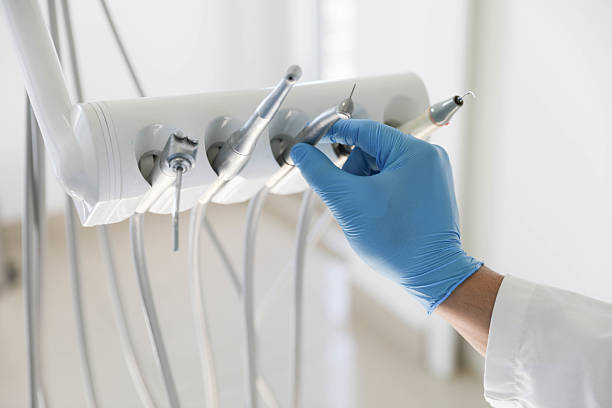
Not all discoloration responds the same way to whitening, which is why a proper consult starts by identifying whether the staining is surface-level or set deeper in the tooth. Extrinsic stains — from coffee, wine, or tobacco — usually lift well with peroxide-based whitening gel. Intrinsic staining, like the kind caused by certain medications or old trauma to a tooth, may need veneers or bonding instead of whitening alone.
Professional treatments use stronger whitening agents than anything sold over the counter, applied under supervision to protect your gums. A custom tray kit is commonly provided afterward so you can maintain results without repeat office visits.
Diet matters just as much after whitening as the treatment itself — coffee, red wine, and tobacco start re-staining enamel within days if habits don't change. A touch-up tray a few times a year is usually enough to maintain the brighter shade long-term.
Higher peroxide concentrations than store-bought kits, applied under supervision for safety.
Enamel sensitivity is monitored throughout the session, with treatment paused if needed.
Most patients see noticeable brightening after one in-office session, often several shades lighter.
Fitted trays let you touch up results at home between office visits.
Our network specialists cover the full range of this procedure, from the routine case to the complicated one.
Delivers the fastest, most visible shade change available through the network.
Fitted trays and prescription-strength gel let you maintain or boost results at home.
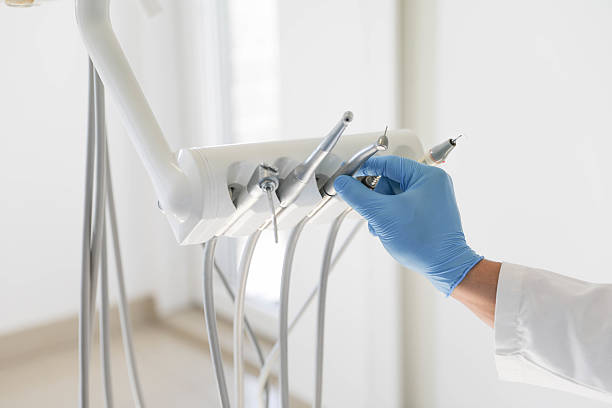
Surface stains from coffee, wine, or tobacco are treated differently than deeper intrinsic discoloration.
Desensitizing gel and adjusted treatment timing help patients prone to tooth sensitivity.
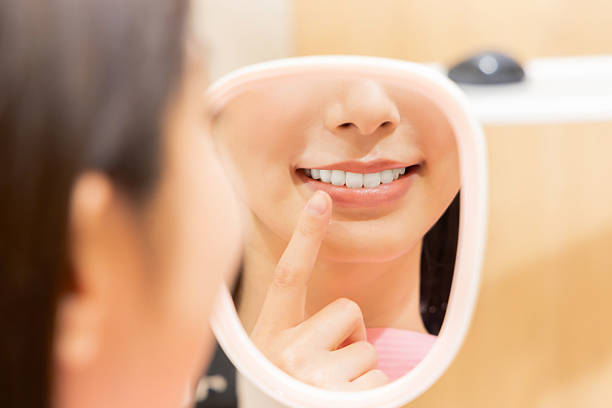
An exam checks for cavities or exposed roots that whitening gel could otherwise irritate.
For stains whitening can't fully lift, bonding covers the remaining discoloration selectively.
You describe what's going on; no automated menu, no long hold.
We match you with a nearby specialist experienced in this exact procedure and check real-time openings.
The specialist examines your case, often with same-visit X-rays, and gives you a cost estimate before starting anything.
You leave with the issue addressed and a plan for any next steps already scheduled.
"Explained every step before doing anything. First time a dental visit didn't feel rushed."
"Didn't have to wait weeks like my old dentist. Straight to a specialist who knew exactly what to do."
"No upsells, no pressure. Just the treatment I needed at the price I was told."
Most patients see a noticeable difference, though the exact shade change depends on the type of staining present.
Some temporary sensitivity is common and usually fades within a day or two after treatment.
Results typically last six months to two years depending on diet and habits like coffee or smoking.
Professional treatment is monitored for gum protection and uses controlled concentrations, unlike unsupervised home kits.
Whitening isn't recommended during pregnancy, and intrinsic stains from certain medications may need alternative treatment.
Pricing is confirmed upfront and varies based on the specific whitening method chosen.
Our coverage spans Little Rock and its surrounding area, matching you with the closest available specialist.
Licensed to practice in AR, credential-checked before joining the network.
A short phone call is all it takes to get this on the calendar this week.
Call +1-866-227-2801 Now